Evolution of Sembawang Road From Traditional Route to Vibrant Hub – Exploring the Rise of Sembawang EC
:
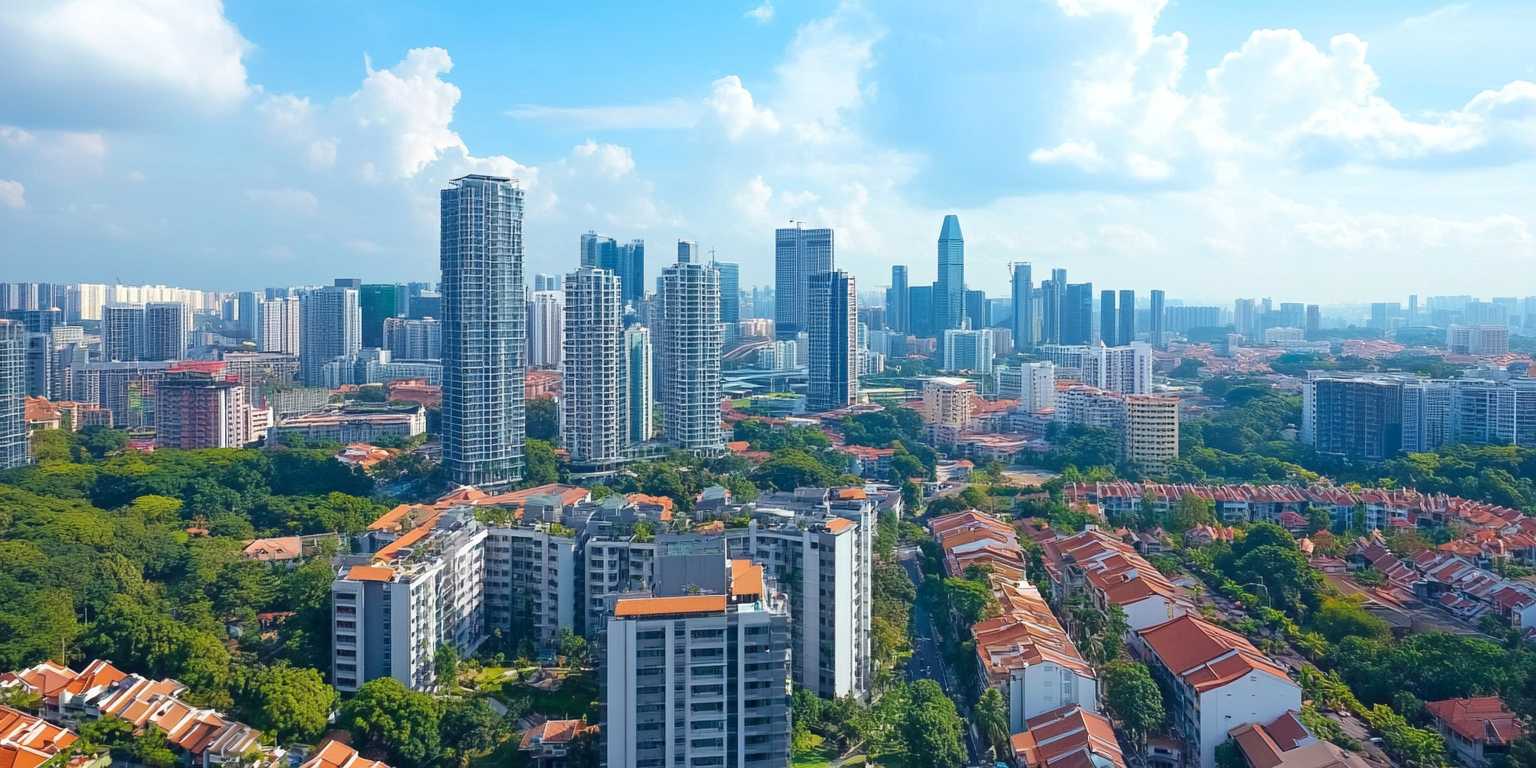
As Singapore underwent modernization and urbanization, the transformation of Sembawang Road ensued. Today, the once humble road boasts a bustling landscape of diverse developments, including Housing & Development Board (HDB) flats, private condominiums, landed houses, shopping complexes, and lifestyle amenities. Not just a transport route, Sembawang Road serves as a vital backbone that has fostered the growth of thriving communities. Branching off from this road are various arterial routes that provide easy access to housing estates, schools, parks, and MRT stations, making the area highly sought-after by families, young couples, and even retirees. With the addition of Sembawang EC, the area has become even more desirable for those looking for convenient and modern living options.
Another factor that contributed to the evolution of Sembawang Road is its strategic location. Situated near the northern coastline of Singapore, the road offers easy access to the city center through major expressways. This made it an ideal location for those who work in the city but prefer to live in a quieter and more affordable area. The increasing connectivity and accessibility further enhanced the attractiveness of Sembawang Road, leading to more EC developments in the area.
With Singapore’s rapid urbanization and population growth, there was a need for more housing options. This led to the development of ECs, a type of hybrid housing that combines elements of public and private housing. These developments were built on government land and offered subsidized rates to eligible buyers, making them an attractive option for many middle-income families. Sembawang Road soon became a popular location for EC developments, and this marked the beginning of its transformation.
With the rise of ECs, Sembawang Road saw an influx of new residents. The once quiet and traditional road was now bustling with activity, with new amenities and services sprouting up to cater to the growing population. From shopping malls and supermarkets to restaurants and recreational facilities, Sembawang Road quickly became a one-stop destination for residents’ daily needs. This transformation not only benefited the new residents but also the existing businesses along the road, which saw an increase in customers and revenue.
Today, Sembawang Road stands as a successful example of how careful planning and development can transform a road into a vibrant and integrated community hub. Its unique blend of heritage, connectivity, and modern amenities make it a sought-after address for both residents and businesses. Furthermore, its significant historical landmarks, such as the Sembawang Shipyard and Admiralty House, continue to add to the rich cultural heritage of the road. Overall, Sembawang Road is a prime example of how a well-planned road can transform a neighbourhood into a thriving and cohesive community. With its historical significance, strategic location, and modern developments, Sembawang Road is a testament to Singapore’s success in creating sustainable and integrated communities. It serves as a reminder of the country’s continuous efforts in building a liveable and vibrant city for its residents. Most importantly, Sembawang Road serves as a beacon of progress and development, highlighting Singapore’s commitment to constantly evolving and adapting to meet the changing needs of its citizens. It is truly a gem in Singapore’s urban landscape and a source of pride for the nation.
As Singapore underwent modernization and urbanization, Sembawang Road experienced steady growth. As a result, the area is now dotted with a blend of Housing & Development Board (HDB) flats, exclusive condominiums, luxurious houses, commercial centers, and recreational facilities. Beyond being a mere transportation passageway, the road has become the backbone around which neighborhoods have flourished. Multiple main roads stem from Sembawang Road, allowing for easy reach to residential areas, educational institutions, green spaces, and MRT stations. This accessibility has made the locality highly sought-after and convenient for a variety of residents, including families, young couples, and retirees.
Apart from housing developments, Sembawang Road has also seen an increase in infrastructure projects that have further enhanced its appeal. One such project is the Sembawang Integrated Hub, which is currently under construction. This multi-purpose development will house a new MRT station, bus interchange, and other amenities such as a hawker center, community club, and sports facilities. This project not only improves the connectivity and convenience for residents but also marks the continued growth and modernization of Sembawang Road.
One significant development that has contributed to the rise of Sembawang ECs is the North-South Expressway (NSE). This 21.5-kilometer expressway, which runs parallel to Sembawang Road, has reduced travel time to the city center significantly. This has made Sembawang Road an even more desirable location for homebuyers, as they can now enjoy the convenience of living near the city without compromising on affordability.
As more EC developments were built, the demographic of residents also changed. Sembawang Road, once known for its predominantly Chinese population, now has a diverse mix of residents from different ethnicities. This has added to the vibrancy and cultural diversity of the area, and new businesses catering to different cultural tastes have emerged. The transformation of Sembawang Road into a melting pot of cultures has brought about a unique sense of community and inclusivity.
Sembawang Road, a long stretch of thoroughfare that connects the bustling city of Singapore to the northern tip of the island, has seen a significant evolution in recent years. What was once a traditional route, lined with quaint shophouses and old-fashioned businesses, has now transformed into a vibrant hub, housing a variety of modern amenities and developments. One such development that has sparked the transformation of Sembawang Road is the rise of executive condominiums (ECs). In this article, we will explore the journey of Sembawang Road and how the emergence of ECs has played a major role in its evolution.
Sembawang Road has a rich history, dating back to the early 19th century when it was a small fishing village. The road was initially named after the village, with its residents relying heavily on the sea for their livelihoods. Over the years, Sembawang Road saw slow growth and development, with the construction of basic amenities such as schools and markets. However, it was not until the late 20th century that major changes started to take place.
In conclusion, the rise of Sembawang ECs has played a significant role in the evolution of Sembawang Road. From a traditional route to a modern and vibrant hub, the road has undergone a remarkable transformation in a relatively short period. With its strategic location, increasing amenities and services, and diverse community, Sembawang Road has become a sought-after destination for homebuyers and businesses alike. Its journey from a quiet fishing village to a thriving urban center is a testament to Singapore’s progress and development, and Sembawang Road is a shining example of the country’s success.